- Home
- Digital nomad visas
- Thailand
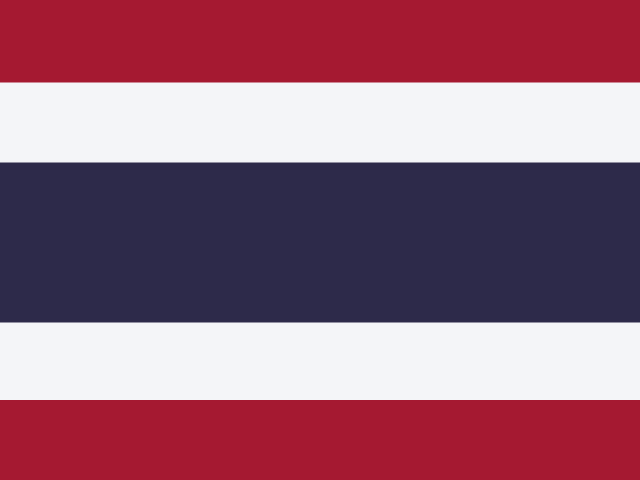
Thailand digital nomad visa (2026)
The DTV is a five-year multiple-entry visa that lets remote workers, freelancers and digital nomads stay up to 180 days per entry, extendable once. Applications go through the Thailand e-Visa system. Since 31 August 2026 applicants must also provide proof of permanent residence and a criminal record clearance.
- Minimum income
- THB 500,000 in savings
- about US$14,903
- Length of stay
- Visa valid 5 years; up to 180 days per entry
- Renewal
- Each entry can be extended once by up to 180 days at Thai Immigration
- Fee
- Set per embassy in local currency, e.g. £300 (London), €350 (Budapest)
- Processing time
- Not published
Do you earn enough?
Compare your income with this and 41 other remote-work visas.
Who can apply
Apply through the Thai mission covering your nationality or country of permanent residence (since 31 August 2026).
- Remote worker, digital nomad, freelancer or foreign talent working for clients or employers abroad
- At least THB 500,000 in funds
- Apply from the country of nationality or permanent residence
- Clean criminal record
Income requirement
You need to show at least THB 500,000 in savings (about US$14,903 at rates from 11 Nov 2026). Applicants show at least THB 500,000 in funds (e.g. bank statements); embassies may express it in local currency, e.g. £12,000 in London.
Documents you need
- Passport bio page
- Photo taken within 6 months
- Proof of permanent residence where you apply
- Bank statements showing at least THB 500,000
- Employment contract, employer letter or portfolio showing remote or freelance work
- Police clearance certificate (London: issued within 6 months)
How to apply, step by step
- Create an application on the Thailand e-Visa website
- Choose the mission covering your nationality or residence
- Upload documents and pay the fee
- After approval, enter Thailand; extend at an Immigration office if needed
Cost and processing time
The fee is set per embassy in local currency, e.g. £300 (London), €350 (Budapest). Processing takes not published. Budget extra for translations, certified copies and health insurance.
Tax
The embassy pages say nothing about tax. Thai tax residency usually starts after 180 days in a calendar year; check with the Thai Revenue Department.
Good to know
- After 180 + 180 days you must leave and re-enter to start a new stay
- Spouses and children under 20 can apply as DTV dependants
- Applications paid before 31 August 2026 follow the older document rules
Visiting first?
97 passports can enter Thailand visa-free for a short stay, a common way to try the country before applying. Check Thailand visa requirements for your passport.
Official source
Thailand e-Visa (Ministry of Foreign Affairs)
Not yet confirmed on an official source: processing time, fee, tax. Check these with the consulate before you apply.
Thailand digital nomad visa FAQ
What is the minimum income for the Thailand digital nomad visa?
THB 500,000 in savings (about US$14,903). Applicants show at least THB 500,000 in funds (e.g. bank statements); embassies may express it in local currency, e.g. £12,000 in London.
How long can I stay in Thailand on a digital nomad visa?
Visa valid 5 years; up to 180 days per entry. Each entry can be extended once by up to 180 days at Thai Immigration.
How much does the Thailand digital nomad visa cost?
Set per embassy in local currency, e.g. £300 (London), €350 (Budapest).
How long does the Thailand digital nomad visa take?
Not published.
Do I pay tax in Thailand on a digital nomad visa?
The embassy pages say nothing about tax. Thai tax residency usually starts after 180 days in a calendar year; check with the Thai Revenue Department.
Who can apply for the Thailand digital nomad visa?
Apply through the Thai mission covering your nationality or country of permanent residence (since 31 August 2026).
Other digital nomad visas
Sorted by income requirement, lowest first.
-
 Ecuador
-
 Brazil
-
 Mauritius
-
 Colombia
-
 Taiwan
-
 Namibia
-
 Sri Lanka
-
 Italy
-
 Spain
-
 Costa Rica
-
 Malaysia
-
 Panama
-
 Turkey
-
 South Korea
-
 South Africa
-
 Hungary
-
 United Arab Emirates
-
 Malta
-
 Cyprus
-
 Greece
-
 Mexico
-
 Croatia
-
 Portugal
-
 Antigua and Barbuda
-
 Barbados
-
 Dominica
-
 Latvia
-
 Indonesia
-
 Estonia
-
 Japan
-
 Romania
-
 Belize
-
 Albania
-
 Argentina
-
 Bahamas
-
 Cape Verde
-
 Georgia
-
 Kenya
-
 Montenegro
-
 Seychelles
-
 Uruguay
Last reviewed November 2026. Amounts and rules change often and can differ by consulate. This guide is general information, not legal or tax advice.